

How to Expertly Clean the Interior of Your Vehicle

How to Expertly Clean the Interior of Your Vehicle
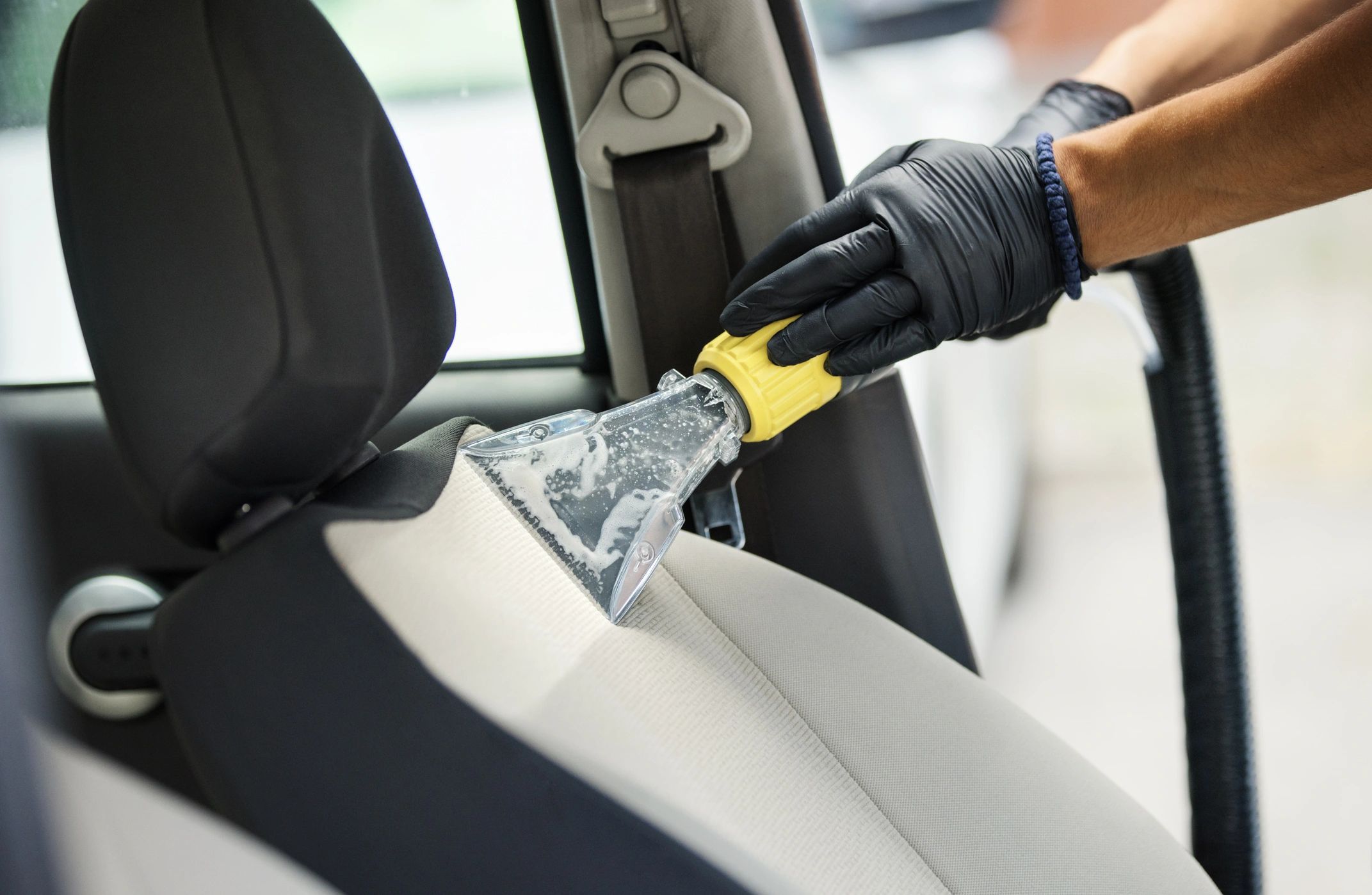
Why Your Car’s Interior Deserves More Than a Quick Wipe-Down

Clean A cluttered, stained, or odor-filled vehicle interior isn’t just uninviting—it can impact your health, daily comfort, and even your vehicle’s long-term value. In cities like Durham, NC, where daily commutes and seasonal weather contribute to the buildup of dust, pollen, and moisture, maintaining a clean cabin goes beyond aesthetics. Over time, neglected interiors accumulate allergens, bacteria, and mold spores, especially in carpets, vents, and seating materials, which can aggravate respiratory issues and diminish air quality. Beyond wellness, a well-maintained interior enhances driving enjoyment by reducing distractions and creating a more pleasant, controlled environment.

From a financial standpoint, interior condition plays a significant role at trade-in or resale. Vehicles with worn upholstery, lingering smells, or visible grime often receive lower appraisals, regardless of engine performance or mileage. Expert-level cleaning—including deep upholstery extraction, dashboard sanitization, and HVAC vent treatment—not only preserves materials but also helps retain the vehicle’s like-new feel. In this guide, you’ll learn a systematic approach to interior detailing, from decluttering and vacuuming hidden crevices to selecting the right pH-balanced cleaners for different surfaces. Whether you’re preparing for a sale or just want a fresher daily drive, these actionable steps will deliver lasting results.

Master Interior Prep and Pre-Treatment for a Deep Clean

Getting your vehicle’s interior truly clean starts long before the vacuum runs—proper preparation and pre-treatment of surfaces ensure lasting results and protect materials from damage. Begin by removing all loose items: floor mats, personal belongings, and removable consoles. This allows full access to hidden debris and lets you clean both the objects and the spaces beneath them.

Start with dry cleaning methods to loosen embedded dirt. Use a detailing brush to agitate floor mat fibers and textured surfaces, then vacuum thoroughly using crevice tools for tight spaces like seat tracks and door pockets. For fabric seats, treat stains early with a pH-balanced upholstery cleaner, gently blotting (never rubbing) to avoid spreading moisture.

Hard surfaces like dashboards, center consoles, and door panels require a different approach. Identify material types—most modern interiors use soft-touch plastics, matte finishes, or synthetic leather—and choose conditioners accordingly. Apply a chemical cleaner designed for interior use to break down greasy residues from fingerprints or hand lotion. Let it dwell for 30–60 seconds, then wipe with a microfiber towel to avoid lint and streaks.

For leather seats or trim, use a dedicated leather cleaner followed by a conditioning treatment to restore moisture and prevent cracking. Never skip the dwell time—it allows the solution to penetrate and lift grime safely. Always test products in an inconspicuous area first, especially in high-sun regions like North Carolina, where UV exposure can alter material reactivity.

Proper prep makes the deep-cleaning stage faster and more effective, while pre-treatment extends the life of your vehicle’s interior finishes across seasons.

Social Media Promotion
clean

Top 5 Tools and Cleaning Products for Achieving Professional Results at Home

When it comes to deep-cleaning your vehicle’s interior, having the right tools and products makes all the difference—turning a frustrating chore into a polished, professional-level detail job. Whether you’re in Durham, NC or anywhere with seasonal weather changes that bring in mud, salt, and humidity, these five essential items will help you tackle grime, odors, and stubborn stains effectively.

  1. Microfiber Towels (Lint-Free & Absorbent)
    Always keep a variety of high-quality microfiber towels on hand—ideally color-coded for different surfaces. These gentle, non-abrasive fabrics are perfect for wiping dashboards, leather, and tinted windows without leaving streaks or scratches. Their superior absorbency also helps remove moisture and spills quickly from fabric seats.
  2. Interior Detailing Brush Set (Soft, Medium, and Stiff Bristles)
    A multi-brush kit allows you to clean textured surfaces like air vents, seam lines, and cup holders thoroughly. Soft brushes work for delicate touchscreens and leather, while stiffer ones remove dirt buildup from floor mats and door jamb crevices without damaging finishes.
  3. Foam Applicator Brushes & Wax Sponges
    Ideal for applying protectants to vinyl and rubber trim, foam tools ensure even coverage without pooling. After cleaning, use a wax sponge to seal and condition the dashboard, preventing UV fading and cracking—especially important in sun-intensive climates.
  4. Steam Cleaner with Multiple Attachments
    One of the most powerful home-use tools, a handheld steam cleaner lifts deep-set grime from upholstery, floor mats, and HVAC vents using only water. No chemicals needed, making it safe for families and pets. It’s especially effective for eliminating allergens and odors caused by moisture buildup.
  5. pH-Balanced Interior Cleaner & Trim Restorer
    Choose an all-surface cleaner designed for automotive materials—it should safely break down oils, fingerprints, and spilled drinks without harming plastics or adhesives. Follow with a UV-resistant trim restorer to bring back a deep, satin finish to faded door moldings and console panels.

Using this combination consistently not only improves appearance but also helps preserve your vehicle’s value, especially in humid or high-traffic environments.

Tackle Tough Interior Grime: A Step-by-Step Deep Clean for Every Surface

Keeping your vehicle’s interior fresh isn’t just about aesthetics—it directly impacts air quality, comfort, and resale value. Over time, seats, carpets, and dashboards collect grime, allergens, and odor-causing bacteria, especially in high-traffic vehicles used in urban and suburban regions like Durham, NC. Follow this professional-grade deep cleaning process to restore your cabin to like-new condition.

  1. Remove and Vacuum Thoroughly
    Begin by taking out floor mats and using a high-suction shop vacuum to extract loose dirt from seats, crevices, and under seats. Pay close attention to seat tracks and console gaps where debris accumulates. Use a crevice tool to reach tight spots around door panels and climate controls.
  2. Pre-Treat Stains on Fabric Surfaces
    Apply a pH-balanced upholstery cleaner to stained or soiled areas of seats and carpets. For stubborn spots, gently agitate with a soft-bristle brush to lift embedded dirt without damaging fibers. Let the solution dwell for 3–5 minutes, then blot with a microfiber towel—avoid soaking, which can encourage mold.
  3. Steam Clean for Sanitization
    Use a handheld steam cleaner on fabric seats and carpeting to eliminate bacteria, dust mites, and odors. Hold the nozzle 2–3 inches from the surface, moving slowly in overlapping passes. Steam is especially effective in humid climates where mildew buildup is common.
  4. Detail Hard Surfaces with Non-Abrasive Wipes
    Wipe down the dashboard, steering wheel, and center console using a non-abrasive, silicone-free cleaner. Apply product to a microfiber cloth—not directly onto surfaces—to avoid overspray near electronics. Use detailing brushes to clean air vents, buttons, and trim edges.
  5. Address Hard-to-Reach Zones
    Employ a long-reach detailing brush or compressed air to clean under seats and behind center consoles. For areas with trapped moisture or lingering smells, sprinkle baking soda, let sit for 15 minutes, then vacuum thoroughly.

Always allow interiors to dry completely before reassembling mats and accessories to prevent musty odors.

Banish Musty Smells and Stop Stains Before They Start

A clean vehicle interior isn’t just about looks—it’s about comfort, longevity, and creating a healthier environment for every drive. Whether navigating city streets in Durham, NC or logging highway miles across the Southeast, proactive care prevents odors and stains from taking hold. The key lies in a strategic combination of odor removal, preventive measures, and routine upkeep tailored to real-world conditions.

To eliminate stubborn odors, start by identifying the source—common culprits include food residue, pet dander, and moisture buildup in floor mats or upholstery. Remove debris with a high-powered vacuum and treat fabric surfaces with an enzymatic cleaner designed to break down organic matter rather than mask smells. Use a baking soda sprinkle on seats and carpets before vacuuming to naturally neutralize lingering scents. For persistent damp or mildew odors, place activated charcoal bags or a moisture-absorbing product inside the cabin overnight.

Preventing future stains begins with daily habits: use seat covers, floor liners, and avoid eating in-car when possible. Apply fabric protectant sprays on upholstery and carpets to create a barrier against spills and dirt—this is especially helpful during rainy or winter seasons when road grime is tracked indoors. Regular wipe-downs of high-touch surfaces like armrests, door pulls, and center consoles with an automotive-safe disinfectant prevent buildup and germ transfer.

For long-term maintenance, schedule weekly dry wipes and monthly deep cleanings, adjusting frequency based on usage. Store interior cleaning supplies—microfiber cloths, UV-safe wipes, and a mini vacuum—inside the vehicle for quick touchups. A clean, odor-free interior improves ride quality, preserves resale value, and reflects pride in ownership—regardless of your commute’s length or destination. maintenance Clean

How to Care for Your Vehicle’s Interior Materials: Expert Answers to Common Cleaning Questions

Can I use household cleaners on leather seats?
Avoid standard household cleaners, especially those with ammonia or alcohol, as they can dry out and crack leather over time. Instead, use a pH-balanced leather cleaner and follow with a quality conditioner to preserve softness and prevent fading—especially important for vehicles in sun-intensive areas like Durham, NC.

What’s the best way to clean fabric upholstery?
Start by vacuuming loose debris, then spot-test a small area with a mild detergent mixed with water. For stubborn stains, use a fabric-safe upholstery cleaner and a soft-bristled brush to gently agitate. Blot with a microfiber towel and allow to air dry completely to prevent mold and mildew buildup from trapped moisture.

How do I remove sticky residue from plastic dashboards and trim?
Never use abrasive scrubbing or solvents like acetone. Instead, dampen a microfiber cloth with rubbing alcohol (isopropyl) or a dedicated plastic-safe detailing wipe to gently lift residue. After cleaning, apply a UV-protectant spray to prevent cracking and discoloration caused by prolonged sun exposure.

Are steam cleaners safe for all interior surfaces?
Steam cleaning works well on fabric and heavily soiled carpeting, but avoid using it on leather, electronics, or bonded materials where moisture can seep underneath and cause damage. Keep the steam nozzle moving and use low pressure to prevent warping or delamination.

How often should I condition leather and plastic surfaces?
Leather should be conditioned every 3–4 months, especially in regions with extreme temperature shifts. Plastic and vinyl trim benefit from conditioning every 2–3 months to resist UV degradation and maintain a factory-like finish. Regular maintenance prevents costly repairs and preserves resale value.

What causes foggy plastic panels, and how can I fix them?
Oxidation from sun exposure and improper cleaners often leads to hazy, cloudy plastic. Restore clarity using a plastic restorer or polishing compound designed for automotive interiors. Avoid wax-based products, which can leave a film and attract more dust.

How can I prevent discoloration on dashboard and console materials?
Park in shaded areas when possible and use a windshield sunshade to reduce cabin temperature. Apply a silicone-free UV protectant monthly to guard against fading and cracking—key for maintaining interior aesthetics in hot, humid climates.

Keep It Clean, Keep It Fresh: Long-Term Interior Care for a Spotless Ride

Consistency is key when it comes to maintaining your vehicle’s interior. Regular cleaning isn’t just about appearances—it plays a critical role in preserving materials, preventing wear, and ensuring a healthier driving environment for you and your passengers in Durham, NC and beyond. Over time, dust, pollen, and moisture can degrade upholstery, while spilled liquids attract mold and odors that are difficult to remove. A proactive maintenance routine stops these issues before they start.

To keep your cabin in top condition, follow these simple steps:

  • Vacuum weekly to remove dirt and debris from seats, floor mats, and crevices where grime accumulates.
  • Wipe surfaces bi-weekly using a microfiber cloth and pH-balanced cleaner safe for dashboards, door panels, and touchscreens.
  • Condition leather seats monthly to prevent cracking and fading caused by sun exposure common in North Carolina’s climate.
  • Use UV window film or a sunshade to reduce interior temperature and protect plastics and fabrics from UV damage.
  • Replace air fresheners regularly and opt for activated charcoal filters to naturally absorb odors instead of masking them.

Establishing these habits extends the life of your vehicle’s interior and enhances resale value. Plus, a clean car creates a more enjoyable and stress-free driving experience every day. Start today by setting a cleaning reminder on your phone—small efforts add up to big results. Your car deserves care, and you deserve a pristine, comfortable ride all year round.


How to Expertly Clean the Interior of Your Vehicle

Why Your Car’s Interior Deserves More Than a Quick Wipe-Down

Clean A cluttered, stained, or odor-filled vehicle interior isn’t just uninviting—it can impact your health, daily comfort, and even your vehicle’s long-term value. In cities like Durham, NC, where daily commutes and seasonal weather contribute to the buildup of dust, pollen, and moisture, maintaining a clean cabin goes beyond aesthetics. Over time, neglected interiors accumulate allergens, bacteria, and mold spores, especially in carpets, vents, and seating materials, which can aggravate respiratory issues and diminish air quality. Beyond wellness, a well-maintained interior enhances driving enjoyment by reducing distractions and creating a more pleasant, controlled environment.

From a financial standpoint, interior condition plays a significant role at trade-in or resale. Vehicles with worn upholstery, lingering smells, or visible grime often receive lower appraisals, regardless of engine performance or mileage. Expert-level cleaning—including deep upholstery extraction, dashboard sanitization, and HVAC vent treatment—not only preserves materials but also helps retain the vehicle’s like-new feel. In this guide, you’ll learn a systematic approach to interior detailing, from decluttering and vacuuming hidden crevices to selecting the right pH-balanced cleaners for different surfaces. Whether you’re preparing for a sale or just want a fresher daily drive, these actionable steps will deliver lasting results.

Master Interior Prep and Pre-Treatment for a Deep Clean

Getting your vehicle’s interior truly clean starts long before the vacuum runs—proper preparation and pre-treatment of surfaces ensure lasting results and protect materials from damage. Begin by removing all loose items: floor mats, personal belongings, and removable consoles. This allows full access to hidden debris and lets you clean both the objects and the spaces beneath them.

Start with dry cleaning methods to loosen embedded dirt. Use a detailing brush to agitate floor mat fibers and textured surfaces, then vacuum thoroughly using crevice tools for tight spaces like seat tracks and door pockets. For fabric seats, treat stains early with a pH-balanced upholstery cleaner, gently blotting (never rubbing) to avoid spreading moisture.

Hard surfaces like dashboards, center consoles, and door panels require a different approach. Identify material types—most modern interiors use soft-touch plastics, matte finishes, or synthetic leather—and choose conditioners accordingly. Apply a chemical cleaner designed for interior use to break down greasy residues from fingerprints or hand lotion. Let it dwell for 30–60 seconds, then wipe with a microfiber towel to avoid lint and streaks.

For leather seats or trim, use a dedicated leather cleaner followed by a conditioning treatment to restore moisture and prevent cracking. Never skip the dwell time—it allows the solution to penetrate and lift grime safely. Always test products in an inconspicuous area first, especially in high-sun regions like North Carolina, where UV exposure can alter material reactivity.

Proper prep makes the deep-cleaning stage faster and more effective, while pre-treatment extends the life of your vehicle’s interior finishes across seasons.

Social Media Promotion
clean

Top 5 Tools and Cleaning Products for Achieving Professional Results at Home

When it comes to deep-cleaning your vehicle’s interior, having the right tools and products makes all the difference—turning a frustrating chore into a polished, professional-level detail job. Whether you’re in Durham, NC or anywhere with seasonal weather changes that bring in mud, salt, and humidity, these five essential items will help you tackle grime, odors, and stubborn stains effectively.

  1. Microfiber Towels (Lint-Free & Absorbent)
    Always keep a variety of high-quality microfiber towels on hand—ideally color-coded for different surfaces. These gentle, non-abrasive fabrics are perfect for wiping dashboards, leather, and tinted windows without leaving streaks or scratches. Their superior absorbency also helps remove moisture and spills quickly from fabric seats.
  2. Interior Detailing Brush Set (Soft, Medium, and Stiff Bristles)
    A multi-brush kit allows you to clean textured surfaces like air vents, seam lines, and cup holders thoroughly. Soft brushes work for delicate touchscreens and leather, while stiffer ones remove dirt buildup from floor mats and door jamb crevices without damaging finishes.
  3. Foam Applicator Brushes & Wax Sponges
    Ideal for applying protectants to vinyl and rubber trim, foam tools ensure even coverage without pooling. After cleaning, use a wax sponge to seal and condition the dashboard, preventing UV fading and cracking—especially important in sun-intensive climates.
  4. Steam Cleaner with Multiple Attachments
    One of the most powerful home-use tools, a handheld steam cleaner lifts deep-set grime from upholstery, floor mats, and HVAC vents using only water. No chemicals needed, making it safe for families and pets. It’s especially effective for eliminating allergens and odors caused by moisture buildup.
  5. pH-Balanced Interior Cleaner & Trim Restorer
    Choose an all-surface cleaner designed for automotive materials—it should safely break down oils, fingerprints, and spilled drinks without harming plastics or adhesives. Follow with a UV-resistant trim restorer to bring back a deep, satin finish to faded door moldings and console panels.

Using this combination consistently not only improves appearance but also helps preserve your vehicle’s value, especially in humid or high-traffic environments.

Tackle Tough Interior Grime: A Step-by-Step Deep Clean for Every Surface

Keeping your vehicle’s interior fresh isn’t just about aesthetics—it directly impacts air quality, comfort, and resale value. Over time, seats, carpets, and dashboards collect grime, allergens, and odor-causing bacteria, especially in high-traffic vehicles used in urban and suburban regions like Durham, NC. Follow this professional-grade deep cleaning process to restore your cabin to like-new condition.

  1. Remove and Vacuum Thoroughly
    Begin by taking out floor mats and using a high-suction shop vacuum to extract loose dirt from seats, crevices, and under seats. Pay close attention to seat tracks and console gaps where debris accumulates. Use a crevice tool to reach tight spots around door panels and climate controls.
  2. Pre-Treat Stains on Fabric Surfaces
    Apply a pH-balanced upholstery cleaner to stained or soiled areas of seats and carpets. For stubborn spots, gently agitate with a soft-bristle brush to lift embedded dirt without damaging fibers. Let the solution dwell for 3–5 minutes, then blot with a microfiber towel—avoid soaking, which can encourage mold.
  3. Steam Clean for Sanitization
    Use a handheld steam cleaner on fabric seats and carpeting to eliminate bacteria, dust mites, and odors. Hold the nozzle 2–3 inches from the surface, moving slowly in overlapping passes. Steam is especially effective in humid climates where mildew buildup is common.
  4. Detail Hard Surfaces with Non-Abrasive Wipes
    Wipe down the dashboard, steering wheel, and center console using a non-abrasive, silicone-free cleaner. Apply product to a microfiber cloth—not directly onto surfaces—to avoid overspray near electronics. Use detailing brushes to clean air vents, buttons, and trim edges.
  5. Address Hard-to-Reach Zones
    Employ a long-reach detailing brush or compressed air to clean under seats and behind center consoles. For areas with trapped moisture or lingering smells, sprinkle baking soda, let sit for 15 minutes, then vacuum thoroughly.

Always allow interiors to dry completely before reassembling mats and accessories to prevent musty odors.

Banish Musty Smells and Stop Stains Before They Start

A clean vehicle interior isn’t just about looks—it’s about comfort, longevity, and creating a healthier environment for every drive. Whether navigating city streets in Durham, NC or logging highway miles across the Southeast, proactive care prevents odors and stains from taking hold. The key lies in a strategic combination of odor removal, preventive measures, and routine upkeep tailored to real-world conditions.

To eliminate stubborn odors, start by identifying the source—common culprits include food residue, pet dander, and moisture buildup in floor mats or upholstery. Remove debris with a high-powered vacuum and treat fabric surfaces with an enzymatic cleaner designed to break down organic matter rather than mask smells. Use a baking soda sprinkle on seats and carpets before vacuuming to naturally neutralize lingering scents. For persistent damp or mildew odors, place activated charcoal bags or a moisture-absorbing product inside the cabin overnight.

Preventing future stains begins with daily habits: use seat covers, floor liners, and avoid eating in-car when possible. Apply fabric protectant sprays on upholstery and carpets to create a barrier against spills and dirt—this is especially helpful during rainy or winter seasons when road grime is tracked indoors. Regular wipe-downs of high-touch surfaces like armrests, door pulls, and center consoles with an automotive-safe disinfectant prevent buildup and germ transfer.

For long-term maintenance, schedule weekly dry wipes and monthly deep cleanings, adjusting frequency based on usage. Store interior cleaning supplies—microfiber cloths, UV-safe wipes, and a mini vacuum—inside the vehicle for quick touchups. A clean, odor-free interior improves ride quality, preserves resale value, and reflects pride in ownership—regardless of your commute’s length or destination. maintenance Clean

How to Care for Your Vehicle’s Interior Materials: Expert Answers to Common Cleaning Questions

Can I use household cleaners on leather seats?
Avoid standard household cleaners, especially those with ammonia or alcohol, as they can dry out and crack leather over time. Instead, use a pH-balanced leather cleaner and follow with a quality conditioner to preserve softness and prevent fading—especially important for vehicles in sun-intensive areas like Durham, NC.

What’s the best way to clean fabric upholstery?
Start by vacuuming loose debris, then spot-test a small area with a mild detergent mixed with water. For stubborn stains, use a fabric-safe upholstery cleaner and a soft-bristled brush to gently agitate. Blot with a microfiber towel and allow to air dry completely to prevent mold and mildew buildup from trapped moisture.

How do I remove sticky residue from plastic dashboards and trim?
Never use abrasive scrubbing or solvents like acetone. Instead, dampen a microfiber cloth with rubbing alcohol (isopropyl) or a dedicated plastic-safe detailing wipe to gently lift residue. After cleaning, apply a UV-protectant spray to prevent cracking and discoloration caused by prolonged sun exposure.

Are steam cleaners safe for all interior surfaces?
Steam cleaning works well on fabric and heavily soiled carpeting, but avoid using it on leather, electronics, or bonded materials where moisture can seep underneath and cause damage. Keep the steam nozzle moving and use low pressure to prevent warping or delamination.

How often should I condition leather and plastic surfaces?
Leather should be conditioned every 3–4 months, especially in regions with extreme temperature shifts. Plastic and vinyl trim benefit from conditioning every 2–3 months to resist UV degradation and maintain a factory-like finish. Regular maintenance prevents costly repairs and preserves resale value.

What causes foggy plastic panels, and how can I fix them?
Oxidation from sun exposure and improper cleaners often leads to hazy, cloudy plastic. Restore clarity using a plastic restorer or polishing compound designed for automotive interiors. Avoid wax-based products, which can leave a film and attract more dust.

How can I prevent discoloration on dashboard and console materials?
Park in shaded areas when possible and use a windshield sunshade to reduce cabin temperature. Apply a silicone-free UV protectant monthly to guard against fading and cracking—key for maintaining interior aesthetics in hot, humid climates.

Keep It Clean, Keep It Fresh: Long-Term Interior Care for a Spotless Ride

Consistency is key when it comes to maintaining your vehicle’s interior. Regular cleaning isn’t just about appearances—it plays a critical role in preserving materials, preventing wear, and ensuring a healthier driving environment for you and your passengers in Durham, NC and beyond. Over time, dust, pollen, and moisture can degrade upholstery, while spilled liquids attract mold and odors that are difficult to remove. A proactive maintenance routine stops these issues before they start.

To keep your cabin in top condition, follow these simple steps:

  • Vacuum weekly to remove dirt and debris from seats, floor mats, and crevices where grime accumulates.
  • Wipe surfaces bi-weekly using a microfiber cloth and pH-balanced cleaner safe for dashboards, door panels, and touchscreens.
  • Condition leather seats monthly to prevent cracking and fading caused by sun exposure common in North Carolina’s climate.
  • Use UV window film or a sunshade to reduce interior temperature and protect plastics and fabrics from UV damage.
  • Replace air fresheners regularly and opt for activated charcoal filters to naturally absorb odors instead of masking them.

Establishing these habits extends the life of your vehicle’s interior and enhances resale value. Plus, a clean car creates a more enjoyable and stress-free driving experience every day. Start today by setting a cleaning reminder on your phone—small efforts add up to big results. Your car deserves care, and you deserve a pristine, comfortable ride all year round.

More from author

LEAVE A REPLY

Please enter your comment!
Please enter your name here

Related posts

Advertisment spot_img

Latest posts

Mastering SEO for Local Businesses

Mastering SEO for Local Businesses Get Found Locally: Why SEO Can’t Wait for Your Business Every day, countless customers in your city are searching for services...

Email Marketing Automation Strategies to Boost Conversions

Email Marketing Automation Strategies to Boost Conversions Unlock the Power of Automated Emails to Skyrocket Conversions In today’s fast-paced digital landscape, manually sending emails isn’t just...

How to Use Plexiglass to Insulate Your Porch

How to Use Plexiglass to Insulate Your Porch for Winter Why Homeowners Are Turning to Plexiglass for Winter Porch Insulation As colder months approach, many homeowners...

Want to stay up to date with the latest news?

We would love to hear from you! Please fill in your details and we will stay in touch. It's that simple!