

Spot a Spill? How Fast Action Saves Your Carpet
Carpet stains happen—whether it’s red wine at a dinner party in Raleigh, muddy footprints from a Durham backyard, or pet accidents that catch you off guard. These everyday mishaps don’t just mar your floors; they can compromise indoor air quality and lead to long-term damage if not addressed promptly. The key to preserving both the appearance and lifespan of your carpet lies in immediate, informed response. Most stains begin setting within minutes, and delaying treatment increases the odds of permanent discoloration or odor retention, especially in high-traffic areas like living rooms or hallways.
In this guide, you’ll learn proven techniques for tackling the most common carpet culprits: food and beverage spills, pet messes, oil-based marks, and more. We’ll break down the science of stain removal—including pH balance, absorbency, and fiber-safe cleaning agents—so you’re equipped with practical, actionable steps. You’ll discover which household items (like vinegar or baking soda) can help—and when to skip them to avoid worsening the problem. From initial blotting to deep-cleaning methods, each step is designed to maximize results while protecting your carpet’s integrity.
By the end, you’ll have a clear, repeatable process that delivers consistently clean floors—no matter where you’re based in North Carolina or what surface you’re maintaining.
Eliminate Tough Carpet Stains with Proven Step-by-Step Methods
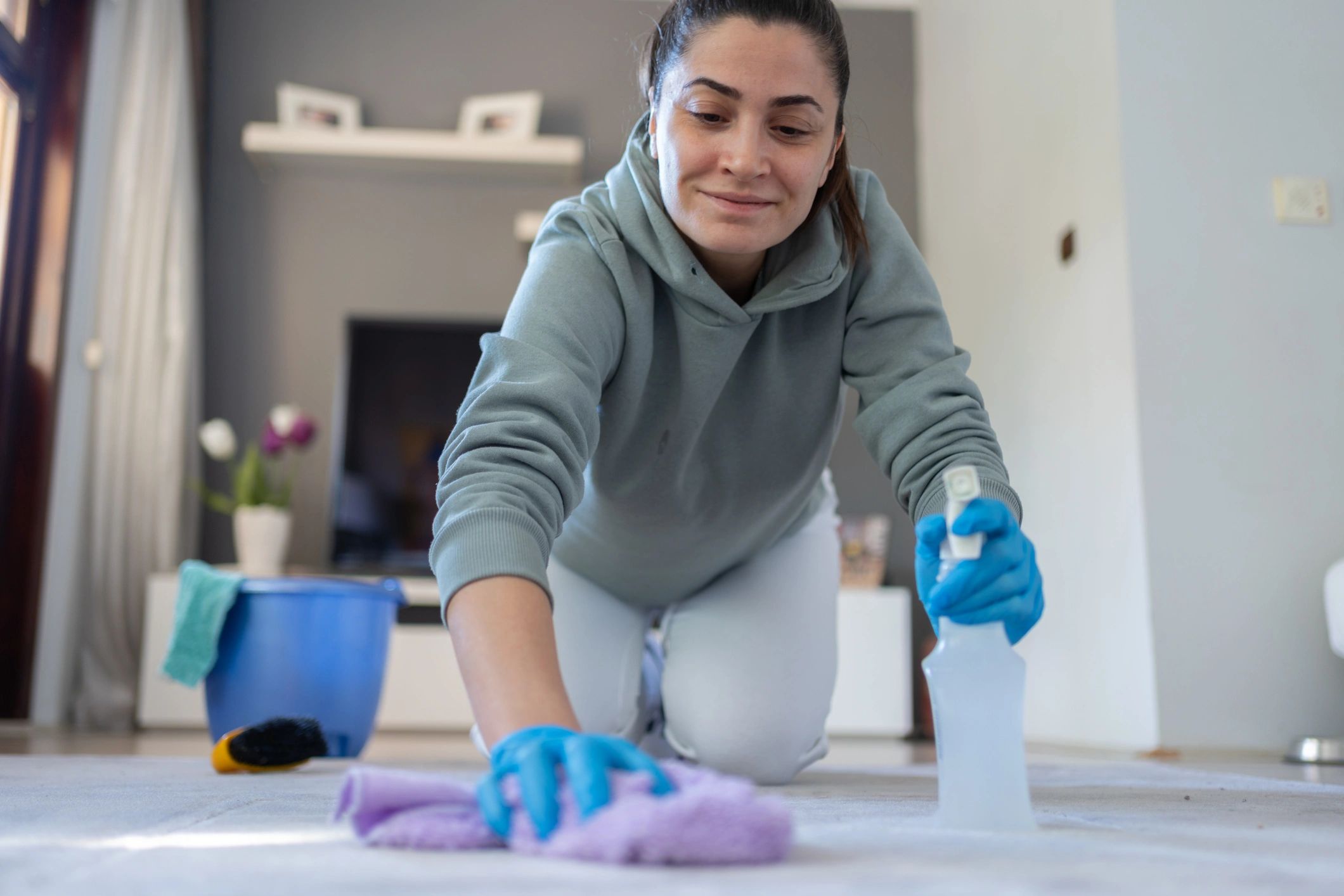
Tackling carpet stains doesn’t have to mean resorting to harsh chemicals or costly professional cleanings—especially when you know the right approach for each type of spill. Whether it’s a red wine spill in your Durham living room or pet accidents in a high-traffic hallway, using the correct technique makes all the difference. Start by blotting up excess liquid with a clean, absorbent cloth—never rub, as this spreads the stain deeper into the fibers.
For food-based stains like coffee, juice, or sauce, mix one teaspoon of dish soap with two cups of warm water. Spray lightly on the area, let sit for 5–10 minutes, then blot with a damp cloth. Follow with a vinegar rinse (one part white vinegar to three parts water) to neutralize odors and lift residue. For pet stains, first use an enzymatic cleaner designed to break down organic matter. These cleaners target both the stain and odor, discouraging repeat accidents. Apply generously, let it dwell for 15 minutes, then blot thoroughly.
When dealing with oil-based stains—like grease or makeup—sprinkle baking soda or cornstarch to absorb the oil before vacuuming. Next, apply a dry-cleaning solvent or a paste of baking soda and water, gently working it in with a soft brush. Allow to dry completely before vacuuming again. Always test cleaning solutions in a hidden area first to ensure colorfastness.
Pro tip: Act fast—most stains are easier to remove when treated within minutes. Keep a stain-removal kit stocked with microfiber cloths, mild detergent, white vinegar, and baking soda for quick response anywhere in your home.
Top 5 Recommended Products and Natural Solutions for Carpet Stain Removal
When dealing with carpet stains, having the right tools—and knowing how to use them—can mean the difference between a spotless floor and permanent damage. Whether you’re tackling a red wine spill in your Durham living room or pet accidents in a high-traffic area, these five trusted methods combine proven cleaning products and natural alternatives that deliver powerful results.
-
Enzyme-Based Cleaners for Organic Stains
Ideal for urine, vomit, or food spills, enzyme cleaners break down proteins and eliminate odors at the source. These biodegradable formulas are safe for homes with kids and pets, making them a top choice for families across North Carolina households. -
Carpet Spot Cleaners with Oxidizing Agents
Formulated with oxygen-based boosters, these store-bought solutions lift set-in stains like coffee, tea, or mud without harsh chemicals. Apply directly, let sit for 5–10 minutes, then blot—no scrubbing needed. Perfect for quick cleanups before guests arrive. -
White Vinegar and Baking Soda (Natural Deep Cleaner)
A time-tested duo: Mix equal parts white vinegar and water, then spritz on the stain. Follow with a generous sprinkle of baking soda. As it fizzes, the reaction lifts dirt and neutralizes odors. Ideal for older carpets needing a refresh. -
Hydrogen Peroxide Solution (For Tough, Colored Stains)
Use 3% hydrogen peroxide on non-dark carpets to remove stubborn marks like ink or blood. Test in an inconspicuous area first. Apply with a cloth, wait 10 minutes, then blot dry—great for renters seeking affordable fixes. -
DIY Dish Soap and Warm Water Mix
A few drops of degreasing dish soap in warm water work wonders on grease or oil spots. Gently dab (don’t rub) to avoid spreading. This low-cost method is perfect for kitchens or garages where spills happen often.
Avoid These Costly Mistakes When Tackling Carpet Stains
Many homeowners in Durham and across North Carolina make common errors when attempting DIY carpet stain removal—mistakes that can set back progress and even cause permanent damage. Knowing what not to do is just as important as the cleaning method itself. Here are critical missteps to avoid:
- Rubbing Instead of Blotting: Aggressively rubbing a spill spreads it deeper into the carpet fibers and damages the pile. Always blot gently with a clean, absorbent cloth.
- Using Too Much Cleaning Solution: Over-saturating the area can lead to moisture trapped in the backing, increasing the risk of mold or delamination—especially problematic in humid climates like the Carolina piedmont region.
- Skipping the Patch Test: Applying a cleaner without testing it on a hidden area first may result in discoloration or fiber damage. Always check chemical compatibility.
- Relying on Hot Water for Protein-Based Stains: Heat sets stains from milk, blood, or urine. Use cold water only for these spills to prevent permanent browning.
- Ignoring the Padding Beneath: Deeply penetrating liquids can linger in the sub-layers, leading to odors and long-term damage. For large spills, consider professional extraction to address both carpet and padding.
Avoiding these pitfalls ensures your cleaning efforts restore, rather than ruin, your carpet’s appearance and longevity—critical for maintaining a healthy indoor environment in homes throughout the Triangle and beyond.
Common Questions About Carpet Stain Removal: Safety, Tips & Prevention
What are the safest DIY solutions for removing carpet stains?
Most household stains respond well to gentle, non-toxic cleaners like white vinegar, baking soda, and dish soap. A mixture of one part vinegar to two parts water can lift light discoloration without damaging fibers. Always test cleaning solutions in a hidden area first and blot—never scrub—to avoid spreading or setting the stain.
Can I use bleach on carpet stains?
Bleach is not recommended for most carpets, especially synthetic fibers like nylon or olefin, as it can cause irreversible color loss or fiber degradation. For protein-based stains like pet accidents, use enzyme-based cleaners instead, which break down organic matter safely and effectively.
How quickly should I address a carpet stain?
Immediate attention is critical. The first 5–10 minutes are the best window to prevent a spill from setting. Blot liquids with a clean, absorbent cloth and avoid rubbing, which pushes the stain deeper into the padding.
What carpet stains should I never try to remove myself?
Large-area stains, unknown substances, or those involving mold, mildew, or hazardous materials (like paint, chemicals, or sewage) require professional assessment. Improper cleaning can worsen odors or create health risks, particularly in homes in humid areas like Durham, NC.
How can I prevent future carpet stains?
Use doormats at all entrances, apply carpet protectant treatments annually, and establish no-food zones in high-traffic living areas. Routine vacuuming—at least twice a week—removes abrasive particles that break down fibers over time.
Is it safe to use steam cleaners at home?
Yes, but only if your carpet manufacturer approves hot water extraction. Over-wetting can lead to mold growth or adhesive breakdown, especially in basements or ground-level rooms. Always let carpets dry completely within 24 hours.
When should I call a professional carpet cleaner?
For deep-set stains, recurring odors, or after water damage, professional cleaning is a smart investment. Trained technicians use commercial-grade tools and eco-friendly extraction methods that surpass retail machines, restoring both appearance and indoor air quality.
Keep Your Carpets Looking Like New: Final Tips for Long-Term Cleanliness
Now that you’ve tackled stains using the right techniques—from blotting spills immediately to selecting appropriate cleaning solutions based on fiber type—the real secret to pristine carpets lies in consistent maintenance. The methods covered in this guide aren’t just for emergencies; they form the foundation of a proactive care routine that extends the life and appearance of your carpet. Blot, don’t rub, act quickly, and always test cleaning agents in inconspicuous areas first to avoid unintended damage.
To keep your carpets in top shape between deep cleanings:
- Vacuum regularly—at least once or twice a week—to prevent dirt from embedding deep into fibers
- Use doormats at every entrance to reduce tracked-in soil, especially important in high-traffic areas in Durham, NC and throughout the Triangle region
- Address spills within minutes, not hours, to prevent set-in stains and odors
- Schedule professional-grade hot water extraction annually, or more frequently in homes with pets or children
Remember, carpet upkeep isn’t just about appearance—it’s about indoor air quality, hygiene, and preserving your home’s value. Small, consistent efforts add up to big results over time. By staying vigilant and treating your carpet as a long-term investment, you’ll enjoy cleaner, fresher floors for years to come.
Take action today: review your current cleaning supplies, refresh your stain removal kit, and set a reminder for your next deep clean. A little preparation now ensures your home stays comfortable, welcoming, and spot-free.