

Expertly Clean Your Vehicle’s Interior: A Complete Guide
Why Your Car’s Interior Deserves More Than a Quick Wipe Down
Most drivers overlook a critical part of vehicle care: the interior. While shiny paint and clean windows grab attention, the real story of your car’s condition lies beneath—the seats, vents, floor mats, and hidden crevices where dust, allergens, and bacteria accumulate. In humid climates like those across Durham, Raleigh, and the broader Triangle region, interior moisture and dirt can lead to persistent odors, mold growth, and premature wear of upholstery. Regular cleaning isn’t just about appearances. It directly affects your health, comfort, and the long-term resale value of your vehicle.
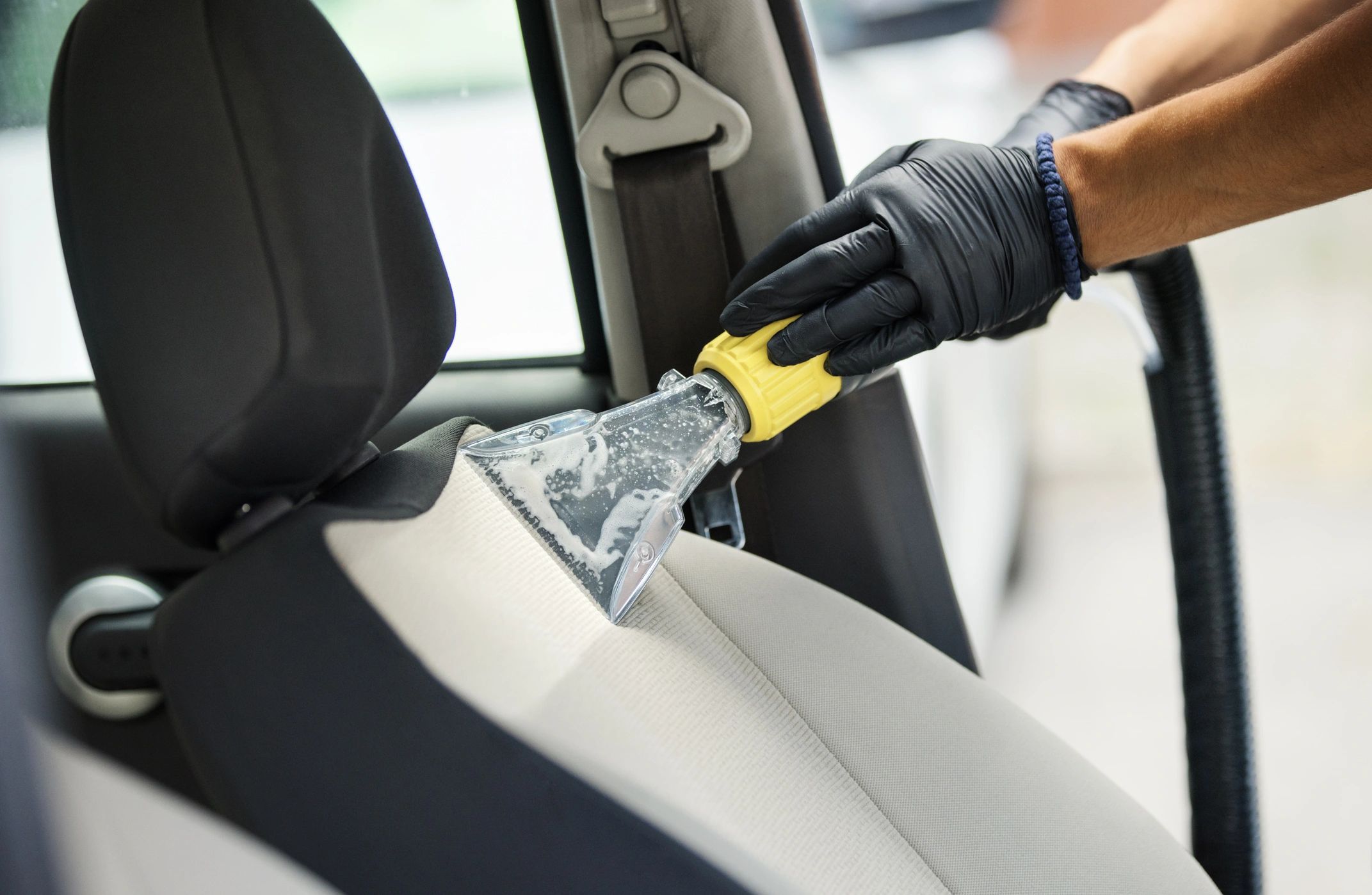
Over time, spilled liquids, tracked-in soil, and airborne pollutants create a breeding ground for germs—especially on high-touch surfaces like the steering wheel, dashboard, and door handles. Professional-grade interior cleaning goes beyond surface-level suctioning. It includes deep-cleaning techniques such as steam extraction, UV sanitization, and pH-balanced fabric treatments that protect materials while eliminating contaminants.
By maintaining a consistently clean cabin, you extend the life of components, reduce allergen exposure, and present a well-cared-for vehicle when it’s time to sell or trade. This guide will walk you through proven methods to restore and preserve your car’s interior using practical, step-by-step strategies anyone can follow.
Master the Art of Interior Vacuuming: A Step-by-Step Guide
A clean vehicle interior starts with thorough vacuuming—but knowing how to do it effectively makes all the difference. Many car owners overlook key areas like seat crevices, floor mats, and under the pedals, leaving behind dirt that degrades air quality and accelerates wear. Follow this systematic approach to extract maximum debris and refresh your cabin from floor to ceiling.
- Prep the Space
Remove floor mats and declutter the cabin. This gives full access to hidden debris and prevents scratching delicate surfaces during cleaning. - Start High, Work Low
Begin with the seats—use an upholstery attachment to lift dust and crumbs from fabric or leather. Focus on seams and creases where particles accumulate; a narrow crevice tool helps dislodge trapped debris. - Target Floor Surfaces
Replace mats and vacuum the carpeted floor area in overlapping passes. Use slow, deliberate strokes to ensure suction captures deeply embedded dirt. For hard floors, a soft brush attachment prevents scratches while removing fine dust. - Don’t Skip Tight Spaces
Use the crevice tool along door jams, center consoles, and under the dashboard. These zones trap sand, lint, and food particles that odors originate from. - Empty & Finish
After vacuuming, promptly empty the canister or replace the bag to maintain suction power for next time.
Pro Tip: In Durham, Raleigh, and throughout the Triangle region, seasonal changes bring pollen and road grit—schedule vacuuming weekly during heavy use months to protect air filters and upholstery longevity.
Master Upholstery Care: A Step-by-Step Guide to Cleaning Leather, Vinyl, and Fabric
Maintaining your vehicle’s interior surfaces properly not only enhances comfort but also protects long-term value—especially in humid climates like Durham, Raleigh, and the broader Triangle region. Leather cracks under sun exposure, vinyl attracts dust and grime, and fabric traps spills and odors. Follow these expert steps to clean and condition each material safely.
- Identify & Prep Each Surface Type
Check labels or consult your owner’s manual to confirm whether seats are genuine leather, synthetic vinyl, or fabric. Remove loose items and use a microfiber cloth to wipe away surface dust before deep cleaning. - Clean Leather Without Causing Damage
Apply a pH-balanced leather cleaner with a foam applicator, working in small circles. Focus on seams and crevices where sweat and oils accumulate. Wipe dry immediately with a clean microfiber towel—never let moisture saturate the surface. Avoid household products like vinegar or Windex, which compromise protective coatings. - Restore Vinyl and Plastic Trim Safely
Use a solvent-free vinyl cleaner on dashboards, door panels, and center consoles. Gently scrub textured areas with a soft-bristle brush, then wipe with a lint-free cloth. After cleaning, apply a UV-protectant spray to prevent fading and cracking during hot North Carolina summers. - Refresh Fabric Upholstery Without Shrinkage or Staining
Spray a fabric-safe foaming cleaner evenly over seats and carpets. Agitate gently with a detailing brush to lift embedded dirt, then blot with a damp microfiber cloth or extract with a low-suction wet vac. Allow full air drying before reconditioning to prevent mold growth. - Condition for Long-Term Protection
After cleaning, hydrate leather with a dedicated conditioning cream to maintain suppleness. For fabric, apply a stain-resistant protectant that repels spills and reduces UV fading—ideal for families and pet owners. Rotate this full process every 60–90 days for lasting results.
Achieve Streak-Free Clarity: Expert Window & Dashboard Cleaning in 5 Essential Steps
A crystal-clear view and spotless dashboard are hallmarks of a professionally maintained vehicle interior. In areas like Durham, Raleigh, and throughout the Triangle region, dust, road grime, and UV exposure can quickly dull surfaces and create dangerous glare. Follow these proven steps to eliminate streaks and buildup on glass and dashboards using the right tools and techniques.
- Begin with a Dry Dusting
Use a clean, dry microfiber cloth to remove loose particles from the dashboard, vents, and window edges. Skipping this step risks smearing dirt across the surface when cleaning, leading to scratches and cloudy finishes. - Select the Correct Cleaning Products
Use an ammonia-free glass cleaner for all windows—this protects tinted glass and prevents plastic trim from drying out. For dashboards and consoles, choose a pH-balanced, non-greasy interior cleaner that won’t leave residue or attract dust. - Apply Cleaner Properly
Spray the solution onto the microfiber cloth, not directly onto the surface. This prevents overspray from seeping into electronics and allows for even, controlled application. Use lint-free cloths exclusively to avoid fibers sticking to surfaces. - Wipe Using the Right Motion
Clean windows in an “S” pattern to prevent swirl marks, then use a dry edge of the cloth to buff for maximum clarity. For dashboards, wipe in straight, overlapping strokes to avoid streaking and ensure full coverage. - Detail Hard-to-Reach Zones
Use a soft-bristled brush or cotton swabs to clean around vents, gauge clusters, and window seals. These areas trap fine dust that diminishes overall cleanliness and air quality.
Pro Tip: For Triangle-area drivers, clean interiors in the shade during cooler morning or evening hours—sunlight accelerates cleaner evaporation, increasing the risk of streaks. Regular weekly upkeep keeps surfaces protected and visibility optimal year-round.
Banish Lingering Smells: A Step-by-Step Guide to Eliminating Tough Car Odors
Persistent odors in your vehicle can be more than just annoying—they can indicate trapped moisture, organic buildup, or bacteria thriving in hidden areas. In humid climates like those in Durham, Raleigh, and across the Triangle region, odors from food spills, pet accidents, or mildew can quickly become embedded in upholstery and HVAC systems. Here’s how to eliminate them at the source using safe, effective methods.
- Locate and Remove the Source
Begin by inspecting floor mats, seat crevices, and storage compartments for trapped debris, spills, or dampness. Remove mats, clean under seats, and check for organic residue that may be decomposing. This prevents treating symptoms instead of the root cause. - Deep-Vacuum All Interior Surfaces
Use a vacuum with a crevice tool to extract debris from tight spots like between seats and along trim edges. A thorough pass ensures that odor-causing particles aren’t left behind to recontaminate the space. - Apply Baking Soda for Natural Odor Absorption
Generously sprinkle baking soda over fabric seats, carpets, and floor mats. Let it sit for at least 30 minutes—or ideally overnight—to draw out moisture and neutralize acidic odors like sweat or mildew. Vacuum thoroughly afterward. - Use Enzyme-Based Sprays for Organic Residues
For lingering smells from food, urine, or vomit, apply an enzyme spray directly to affected areas. These formulas break down organic compounds on a molecular level, eliminating odors instead of masking them. Allow the spray to dry completely with windows slightly cracked. - Place Odor Absorbers Between Cleanings
For ongoing freshness, leave open containers of activated charcoal or bamboo-based odor absorbers in cup holders or center consoles. Unlike scented air fresheners, these materials passively trap volatile compounds without adding artificial perfumes.
This process not only improves air quality but also contributes to a healthier, more inviting cabin environment year-round.
How Often Should You Clean Your Car’s Interior? Your Top FAQs Answered
How often should I clean my vehicle’s interior for best results?
For most drivers in Durham, Raleigh, and the broader Triangle region, a thorough interior cleaning every 2–4 weeks helps maintain air quality and material longevity. Households with children, pets, or frequent commuters may benefit from weekly sessions to manage spills, tracked-in dirt, and allergens that accumulate rapidly in North Carolina’s humid climate.
Are store-bought cleaning products safe for kids and pets?
Yes—when you choose wisely. Always use pH-balanced, non-toxic formulas specifically labeled for automotive interiors. Avoid cleaners with high VOCs or strong solvents, which can leave behind fumes that irritate respiratory systems. Look for “interior-safe” or “child-friendly” designations, especially if your vehicle is a regular ride for sensitive passengers.
Can I deep clean without spending all day?
Absolutely. Maximize efficiency with a focused strategy:
- Remove floor mats and trash first
- Use multi-surface cleaning sprays to reduce product switching
- Keep a dedicated kit with microfiber towels, a crevice tool, and detailing brushes
- Prioritize high-touch zones like the steering wheel, gear shifter, and door handles
Many detailers in the Triangle area achieve professional-grade results in under 30 minutes with consistent maintenance.
What tools actually make a difference?
Invest in a compact vacuum with attachments, a set of lint-free microfiber cloths, a soft-bristle detailing brush, and foam applicators. These essentials help you reach tight spaces and prevent surface damage—especially on dashboards and between seats.
Which areas do most people forget during cleaning?
Commonly missed spots include under seat tracks, HVAC vents, seat belt straps, and window channels. Use a narrow brush for vents and wipe belts with a damp cloth to eliminate odor-causing buildup.
How do I prevent UV damage in hot NC summers?
After cleaning, apply a UV-blocking protectant to dashboards, trim, and leather surfaces. This helps prevent cracking and fading caused by prolonged sun exposure typical in Durham and Raleigh.
What’s the best way to maintain freshness between deep cleans?
Spot-clean spills immediately, use sunshades when parked, and refresh with enzyme-based odor neutralizers instead of artificial air fresheners. Regular vacuuming and open windows when safe also keep the cabin environment healthy.
Keep It Clean, Keep It Fresh: Your Interior Maintenance Game Plan
A clean vehicle interior isn’t just about appearances—it directly impacts your driving experience, air quality, and even resale value. Over this guide, you’ve learned how to tackle stubborn stains, eliminate odors at the source, and choose safe, effective cleaning products that protect premium surfaces like leather, vinyl, and fabric. You now know the importance of starting with a clutter-free cabin, using microfiber tools correctly, and applying conditioners to prevent cracking and UV damage.
To maintain results, integrate simple habits into your routine:
- Vacuum weekly—focus on floor mats, crevices, and under seats
- Wipe down high-touch areas daily—steering wheel, console, and door handles
- Use sunshades to reduce interior fading and heat buildup, especially in hot Durham, Raleigh, and Triangle-area summers
- Schedule deep cleans quarterly to address buildup that routine maintenance misses
Small, consistent efforts prevent grime from becoming a major challenge. Don’t wait for messes to accumulate—spot-clean spills immediately and refresh air vents regularly to maintain a healthy cabin environment.
Your vehicle is more than transportation; it’s an extension of your lifestyle. By applying these strategies, you preserve both function and comfort while making every drive more enjoyable. Take pride in a space that looks good, smells clean, and feels well cared for—because expert-level interior care isn’t a one-time task, it’s a long-term habit worth maintaining.