

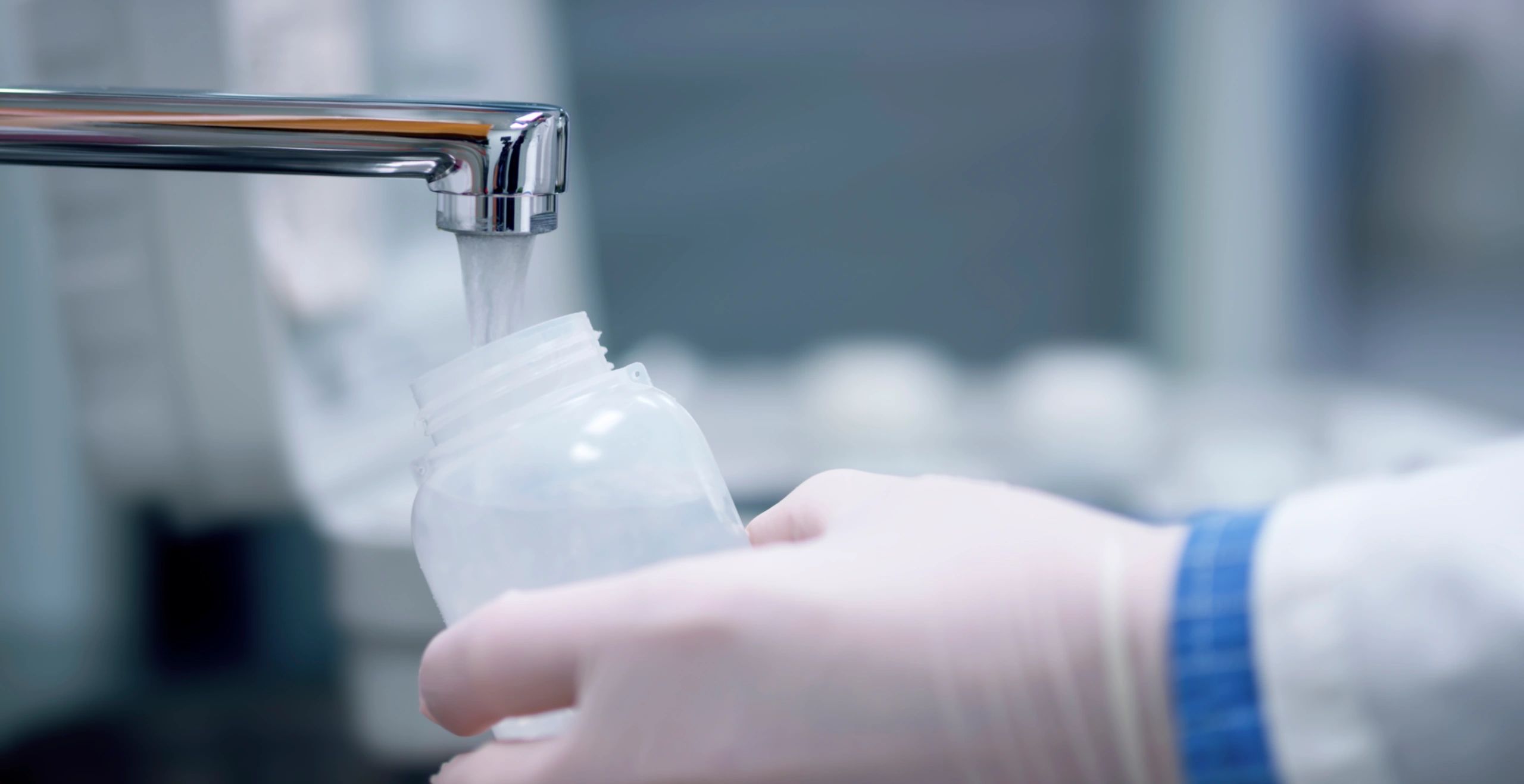
What’s Really in Your Glass?
Every day, millions of Americans turn on the tap water, assuming the water flowing into their homes is safe, clear, and clean. But beneath the surface of that seemingly pure stream could be a hidden mix of contaminants that pose real risks to health—especially over time. From aging infrastructure to agricultural runoff and industrial discharge, the quality of municipal water supplies varies significantly across regions, even within the same state. Cities like Durham, NC, and other communities nationwide are increasingly confronting elevated levels of substances that standard treatment processes may not fully remove.
You might not see, smell, or taste them, but common toxins like lead, chlorine byproducts, PFAS (often called “forever chemicals”), nitrates, and microbial pathogens can all find their way into household tap water. These invisible threats are linked to a range of health concerns, particularly for vulnerable populations such as children and pregnant individuals.
In this post, we’ll break down the most frequently detected contaminants in U.S. water systems, explain where they come from, and explore what they mean for your long-term well-being. More importantly, you’ll learn practical steps to assess your own water quality and take control of what flows through your home’s pipes.
What’s Lurking in Your Tap Water? A Breakdown of Common Municipal Toxins
Many U.S. households assume their tap water is safe simply because it’s regulated—but the reality is more complex. Even water that meets federal guidelines can contain trace levels of harmful contaminants that accumulate over time. Understanding what’s commonly found in municipal supplies empowers you to make informed decisions about water safety, especially for families in cities like Durham, NC, where aging infrastructure and industrial runoff can influence water quality.
Four of the most frequently detected toxins include:
- Lead – Often leaching from old pipes and plumbing fixtures, lead exposure is particularly dangerous for children and pregnant individuals, impacting cognitive development and overall health. Homes built before 1986 are at higher risk.
- Chlorine Byproducts – While chlorine is used to disinfect water, it can react with organic matter to form trihalomethanes (THMs) and haloacetic acids (HAAs), which have been linked to long-term health risks with prolonged exposure.
- PFAS (Forever Chemicals) – These synthetic compounds are resistant to breaking down and can enter water supplies from industrial discharges, firefighting foam, and consumer products. Known for their persistence, PFAS are increasingly regulated due to associations with thyroid issues and certain cancers.
- Nitrates – Primarily from agricultural runoff and septic systems, elevated nitrate levels pose serious risks to infants, potentially causing methemoglobinemia, or “blue baby syndrome.”
Regular testing and point-of-use filtration systems—such as activated carbon or reverse osmosis—are practical steps toward reducing exposure. Staying proactive about what’s in your water is a crucial part of maintaining long-term household wellness.
Vulnerable Populations at Greater Risk from Long-Term Water Contaminant Exposure
Children, pregnant women, and older adults face heightened health risks from prolonged exposure to common waterborne contaminants, making proactive water quality management essential—especially in regions like Durham, NC, where aging infrastructure may contribute to unseen hazards. Because their developing or compromised systems are less equipped to process toxins, these groups are more susceptible to adverse outcomes from trace levels of lead, nitrates, arsenic, or disinfection byproducts that may go undetected in municipal supplies.
For infants and young children, even low-level lead exposure can impair cognitive development and cause irreversible neurological effects. Pregnant women exposed to nitrates or certain industrial chemicals may experience complications such as reduced fetal growth or preterm delivery. Older adults, particularly those with chronic conditions like kidney disease, are less efficient at filtering toxins, increasing the risk of accumulation and organ damage over time.
To reduce risk, consider:
- Testing your home’s water supply every 6–12 months, especially if served by private wells or older municipal systems
- Installing a certified filtration system tailored to remove contaminants common in your area (e.g., carbon filters for chlorine byproducts, reverse osmosis for nitrates and heavy metals)
- Avoiding tap water for infant formula preparation unless confirmed safe or filtered
- Staying informed about local water quality reports and infrastructure updates in your community
Taking preventative steps helps safeguard the most vulnerable and supports long-term health resilience in your household.
Know Your Water’s Enemy: A Step-by-Step Guide to Identifying Common Contamination Sources

Understanding where water contaminants originate is the first step toward safeguarding your household’s health. Aging infrastructure, agricultural runoff, and industrial discharge are among the leading culprits behind compromised tap water—especially in urban and suburban areas like Durham, NC, and surrounding communities. Follow this actionable guide to pinpoint potential contamination sources in your water supply.
1. Assess Your Local Water Distribution System
Begin by researching your municipal water system’s age and maintenance history. Older pipes—particularly those made of lead or corroded galvanized steel—can leach harmful metals into drinking water. Homes built before the 1980s are more likely to have outdated plumbing. If you suspect aging infrastructure is an issue, consider in-home water testing focused on lead, copper, and iron.
2. Evaluate Nearby Agricultural Activity
Fertilizers, pesticides, and animal waste from farms can seep into groundwater through runoff, introducing nitrates and pathogens. If you live near farmland or within a rural-urban fringe, request a water test for nitrate levels. Look for seasonal spikes, especially after heavy rains, which often carry contaminants from soil into wells or municipal sources.
3. Investigate Industrial Zones in Your Area
Industrial facilities may discharge chemicals like PFAS, heavy metals, or solvents into waterways. Check publicly available environmental reports for facilities within 1–2 miles of your location. If such operations exist nearby, opt for a certified water test that screens for synthetic organic compounds and industrial byproducts.
4. Test Your Home’s Plumbing and Private Lines
Even if municipal water is safe at the source, private service lines and internal plumbing can introduce toxins. Replace lead goosenecks, use certified filters at point-of-use, and flush your taps for 30–60 seconds after prolonged stagnation.

Pro tip: Rotate faucets monthly—especially guest bathrooms—to prevent water stagnation in rarely used lines, reducing corrosion risk. Stay proactive with annual water testing, particularly if you’re in a high-risk zone.
5 Proven Home Solutions for Cleaner, Safer Drinking Water
Ensuring your family drinks clean, contaminant-free water doesn’t require a lab—just the right tools and know-how. With growing concerns about what’s flowing from taps in homes across Durham, NC and surrounding communities, taking control of your water quality starts with actionable, at-home strategies. Here are five effective solutions to reduce common toxins like lead, chlorine, sediment, and volatile organic compounds (VOCs).
- Install a Certified Whole-House Filtration System
Protect every faucet by installing a point-of-entry (POE) filtration unit where water enters your home. These systems remove large particles, chlorine, and chemical byproducts before water reaches showers, appliances, and drinking taps. Look for units certified to NSF/ANSI standards for comprehensive protection—ideal for older homes with aging pipes common in historic Durham neighborhoods. - Use an Under-Sink Reverse Osmosis (RO) System
For maximum contaminant reduction at your main drinking tap, RO systems are highly effective. They remove up to 99% of dissolved solids, including lead, arsenic, nitrates, and PFAS. Pair it with a remineralization filter to maintain healthy pH balance and improve taste. - Choose a High-Quality Pitcher Filter for Everyday Use
Refrigerator or countertop water pitchers with activated carbon filters are affordable and convenient. Opt for models that reduce chlorine, copper, and mercury while being easy to replace and maintain. - Test Your Water Annually with a Home Testing Kit
Identify hidden risks early by using EPA-compliant testing kits to check for lead, bacteria, and hardness. These kits are especially useful after storms or plumbing work—common triggers for water quality shifts in the Triangle region. - Flush Faucets Before Use, Especially in Older Homes
Stagnant water sitting in pipes overnight can leach metals. Run your tap for 30–60 seconds each morning, particularly if your home was built before 1986, when lead solder was still in use. This free, simple step significantly reduces exposure risk.
Your Top Water Safety Questions Answered
How can I know if my tap water contains harmful toxins?
While municipal water systems are regularly tested, contaminants can still enter your water supply through aging infrastructure, plumbing materials, or environmental runoff. Homeowners in cities like Durham, NC, may be exposed to trace levels of lead, chlorine byproducts, or nitrates without realizing it. The most reliable way to assess your water quality is through independent water testing from a certified lab. These tests can detect specific contaminants and offer a complete picture of what’s flowing from your taps.
What are the most common toxins found in household water?
The primary concerns include lead (from old pipes or fixtures), chlorine and chloramines (used in disinfection that can affect taste and odor), volatile organic compounds (VOCs) from industrial sources, and nitrates from agricultural runoff. Each has potential health implications, especially for infants, pregnant individuals, and those with compromised immune systems.
Can a water filter protect my family from contaminants?
Yes—selecting the right filtration system is essential. Activated carbon filters reduce chlorine and VOCs, while reverse osmosis systems tackle lead, nitrates, and fluoride. Look for NSF/ANSI certifications that verify a filter’s claimed capabilities. Regular maintenance and filter changes ensure sustained performance.
Is well water safer than city water?
Not necessarily. While wells avoid municipal additives like chlorine, they’re not regulated the same way and can harbor bacteria, arsenic, or pesticides depending on local geology and land use. Well owners should test water annually and invest in appropriate treatment systems.
How often should I test my water?
Test annually for basic safety, but also after plumbing updates, nearby construction, or if you notice changes in taste, smell, or clarity. Homes with well water or older plumbing in regions like the Triangle area should consider semi-annual checks.
Are bottled water and filtered tap water equally safe?
Filtered tap water is often more rigorously monitored and environmentally sustainable. Bottled water isn’t always purer—and it’s far more expensive over time. A trusted in-home filtration system offers consistent quality with less waste.
What’s the fastest way to improve my home’s water quality?
Start with a point-of-use filter on your kitchen faucet or install a whole-house system for comprehensive coverage. Pair this with regular testing to verify contaminant reduction and ensure long-term safety for your household.
Take Control of Your Home’s Water Quality Today
Clean, safe drinking water isn’t a luxury—it’s a necessity. Throughout this guide, we’ve explored common contaminants lurking in tap water, from lead and chlorine byproducts to nitrates and microbial impurities, all of which can pose serious health risks over time—especially for vulnerable populations like children and the elderly. The reality is, even municipally treated water in areas like Durham, NC, can pick up toxins as it travels through aging infrastructure or reacts with environmental pollutants. Relying solely on visual clarity or municipal reports isn’t enough. Proactive testing and targeted filtration are essential steps toward long-term protection.
Start by assessing your home’s water source: whether you’re on city supply or a private well, schedule a certified water test to identify specific contaminants. Based on the results, choose a point-of-use or whole-house filtration system certified to remove those impurities—look for NSF/ANSI ratings that match your needs. Simple upgrades like activated carbon filters, reverse osmosis systems, or UV sanitizers can dramatically improve safety and taste. Regularly maintain fixtures, flush pipes before use, and consider using filtered water for cooking and infant formula.
Don’t wait for symptoms to act. Your health—and your family’s—depends on what’s in your water. Test, treat, and take ownership of your home’s water quality with confidence and clarity.